
Torsion vs. Extension Springs: Which Does Your Door Use?
ServiceFind Local Service Standards Team2024-11-106 min read
Licensed
& Insured Pros
Background
Checked Techs
SSL Secure
Inquiry Process
100%
Satisfaction or Money Back
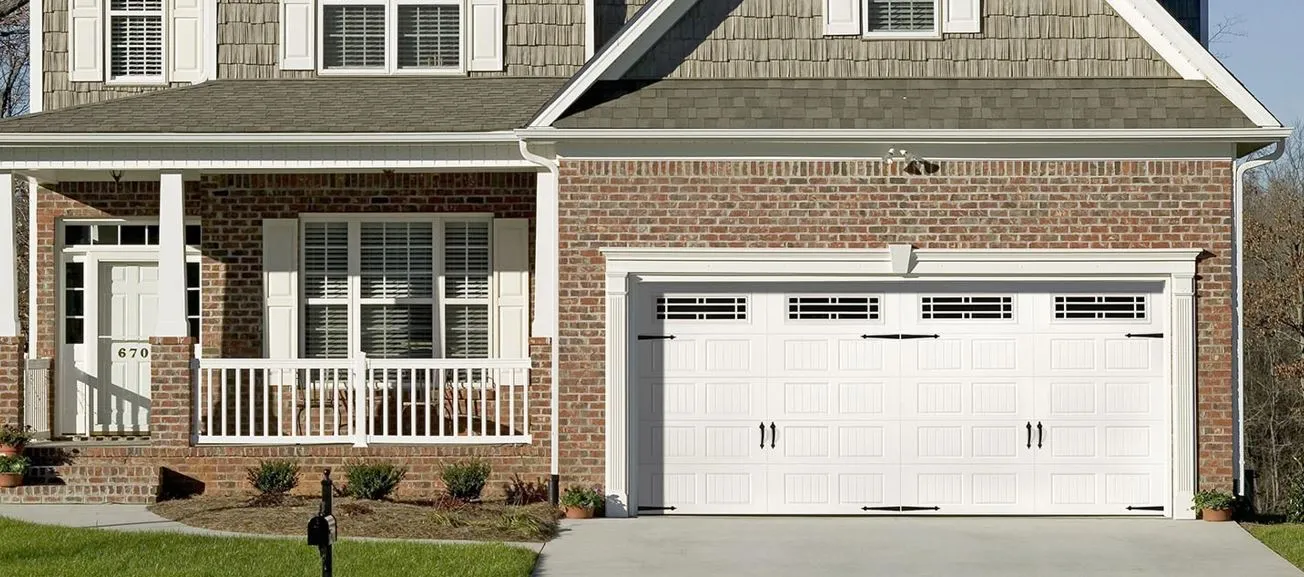
The two most common spring types work very differently. Knowing which you have is the first step to safe maintenance — and avoiding a $1,500 DIY mistake.
Torsion springs and extension springs are the two primary counterbalance mechanisms that make your heavy garage door liftable by a single person — or a motorized opener. Understanding which system your door uses determines how it's serviced, what it costs to repair, and how safe it is to maintain.
**Torsion Springs**
Torsion springs are mounted horizontally above the door opening on a steel shaft. When the door closes, the spring winds tighter, storing mechanical energy as torque. When the door opens, the spring unwinds, transferring that stored energy through cable drums and lift cables to raise the door panels.
Most torsion spring systems use one spring for single-car doors and two springs for double-car doors. Standard torsion springs are rated for 10,000 cycles — roughly 7 years at 4 opens per day. High-cycle torsion springs (available from specialty suppliers) are rated for 25,000–50,000 cycles and are worth the premium for frequently-used garages.
**Extension Springs**
Extension springs mount horizontally along the upper horizontal tracks on each side of the door. They stretch (extend) as the door closes, storing energy through tension rather than torsion. When the door opens, the springs contract and pull the door upward via pulley systems.
Extension spring systems are older and more common on single-car doors, particularly in homes built before the 1990s. They are cheaper to replace but wear out faster and are considered less safe — a broken extension spring can snap violently if not contained by a safety cable running through the center of the spring.
**Identifying Your System**
- Look directly above the door when it's closed. If you see a long horizontal bar with a spring coiled around it running the width of the garage, you have a torsion system.
- If you see two springs running parallel to the horizontal tracks on each side of the door, you have extension springs.
**Cost Comparison**
Torsion spring replacement: $150–$350 (includes both springs on double-car doors)
Extension spring replacement: $85–$175 per spring, typically replaced in pairs
**Safety Note**
Both spring types store dangerous amounts of mechanical energy. Garage door spring replacement is one of the most commonly cited causes of DIY home repair injuries. ServiceFind strongly recommends professional spring replacement for both systems.
Tags:#springs#torsion spring#extension spring#repair
Need Fast Professional Service?
Call 1-800-844-6364Get an Honest, Upfront Fair Quote
Pre-screened licensed contractors in your area available for same-day repair.